Engineering and environmental consultants

Acoustics and Air Quality
Often, the most successful developments are those where acoustic and air quality challenges are addressed so effectively that they don’t draw attention from the people living or working there.
Invisible as they are, the quality of the air we breathe and the sounds we hear define the comfort and health of any environment.
Backed by reliable data and robust modelling, we go beyond baseline compliance to create healthier sites today and a more sustainable environment for the future.
Our technical insight around air quality and acoustic engineering guides the strategic development of land, the placement of buildings, green buffers and ventilation systems that protect people while also enhancing their overall wellbeing and quality of life.
Our expertise
Designing healthy and equitable environments
As the built environment evolves, so must how we mitigate and manage air quality and noise. It’s all part of shaping healthier environments.
We understand the tightening regulations, local scrutiny, and programme pressures facing developers, land promoters, and masterplanners across the planning lifecycle.
Our team delivers clear, pragmatic air quality, dust, noise, odour, and vibration advice designed to keep your scheme moving forward.

We make acoustics simple. We turn complex noise problems into practical advice and clear reports that meet all relevant guidance and standards.
Whether you’re securing planning permission, discharging conditions, or designing a sound-sensitive space, we give you the confidence to solve acoustic challenges, keep your project on track and deliver better outcomes.
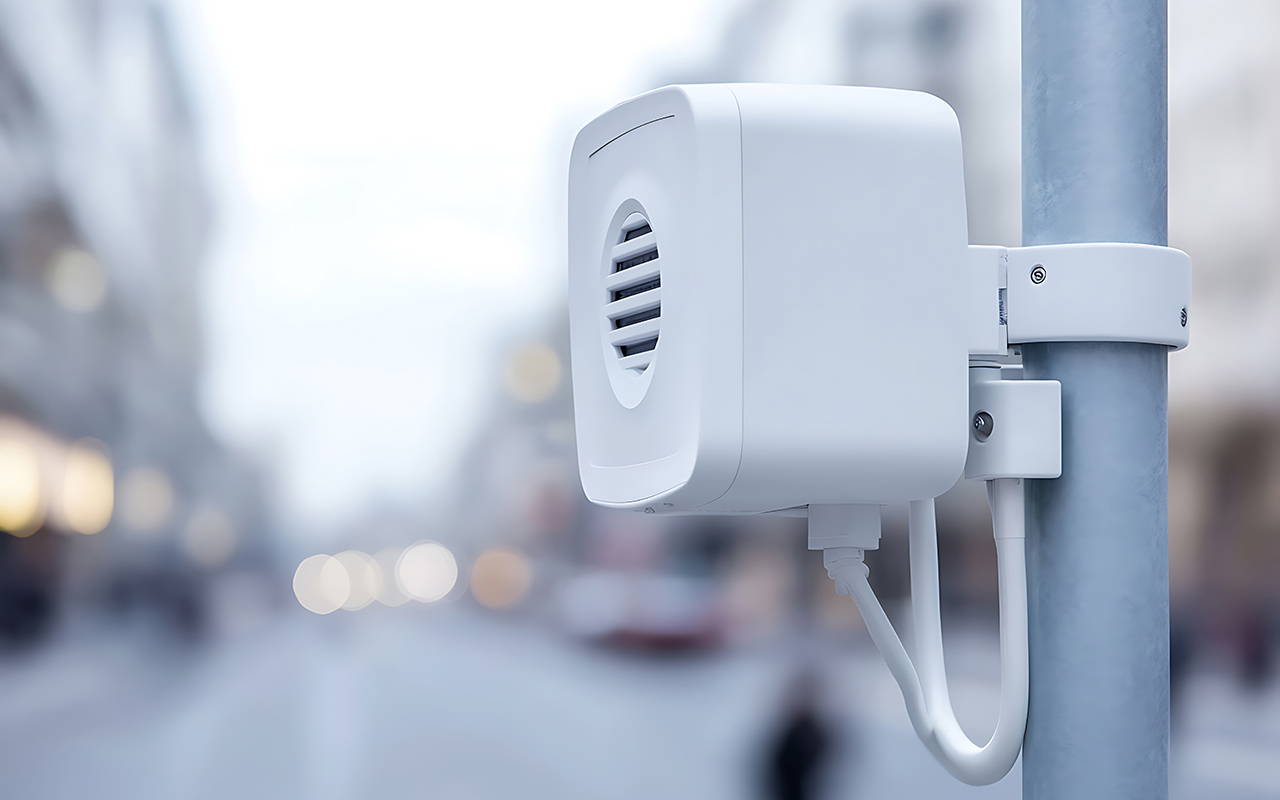
Noise and vibration issues can halt a project fast if you don’t catch them early.
We conduct robust baseline noise and vibration monitoring to establish a clear benchmark before work starts, then model potential impacts to protect your timelines and minimise post completion mitigation.
From predicting construction vibration risks to assessing operational noise for local planning approvals, we turn complex acoustic data into straightforward mitigation strategies that stay on track and prevent any impact on communities.

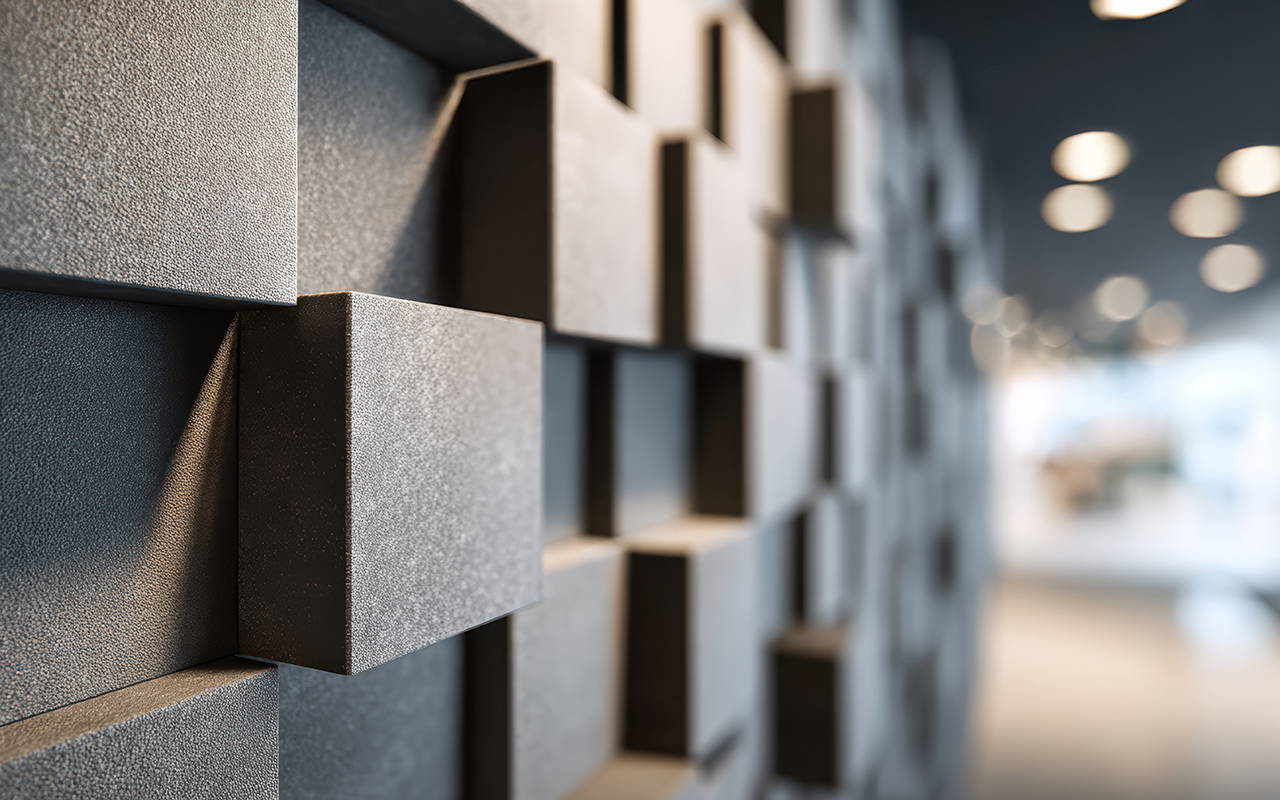
Our detailed building acoustics design bridges the gap between architectural vision and acoustic reality.
We optimise sound insulation, manage internal room acoustics, and control mechanical plant noise right down to the granular detail of ceiling finishes.
Healthy outcomes come first in everything we do.
We help ensure you clear low-risk projects quickly, while bringing advanced dispersion modelling to help unlock those complex, high-stakes approvals.
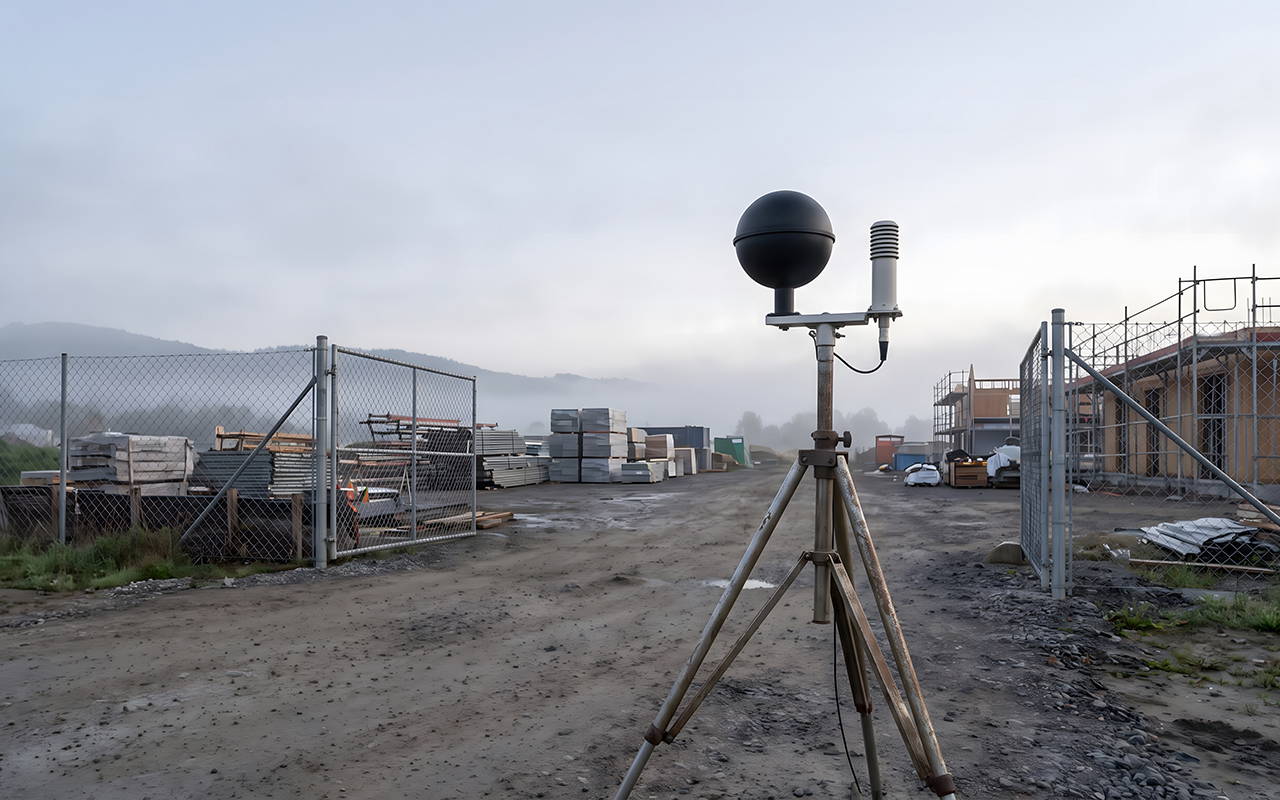
You can’t manage what you don’t measure.
Whether you’re protecting site workers outdoors or creating healthy environments inside, our air quality monitoring surveys replace guesswork with precise, real-time data.

Odour might be invisible, but it’s one of the quickest ways to derail a planning application, especially when residential schemes creep closer to commercial kitchens, industrial estates, or agricultural sites.
Our odour assessments give local authorities the robust, objective evidence they need to sign off on your scheme with confidence.
Using a combination of dispersion modelling, field surveys, and practical design mitigation, our air quality specialists de-risk your site early, helping you satisfy planning conditions, protect future communities, and keep your project moving forward.
When basic screening tools can’t capture the nuances of your site, detailed dispersion modelling provides the proof regulators demand.
Using industry-standard software, we simulate how emissions will move, mix, and disperse in the real world.
Whether you’re sizing the environmental capacity in industrial clusters, assessing major road schemes, or securing permits for sensitive energy projects, we turn emissions data into clear spatial contour maps and practical input into air quality positive design that gets your application signed off.
From demolition through to earthworks and construction, unmanaged dust risks costly enforcement action and delays to discharging planning conditions.
Working to IAQM guidance, we assess site-specific dust risks and produce straightforward, workable Dust Management Plans that keep your project on track.

Under the London Plan and emerging regional policies, Air Quality Positive principles must be embedded at the earliest design stages.
These documents show how the project will maximise local air quality benefits and minimise exposure to pollution, detailing design measures, evidence, delivery mechanisms, and monitoring plans.
We work alongside architects and masterplanners to shape building orientation, energy systems, and public realm strategies, delivering clear, defensible statements that meet policy requirements and avoid planning delays.

Meeting strict building and transport emission benchmarks is essential to avoiding planning delays or unexpected offset costs.
Air Quality Neutral Statements are required for major developments in London, where the Mayor of London has set strict benchmarks around building and transport emissions under the London Plan.
We deliver GLA-compliant Air Quality Neutral Statements that assess your scheme early and keep mitigation proportionate and cost-effective.

We safeguard your build with integrated air quality, noise, vibration, and dust risk assessments.
By pairing robust management plans with real-time monitoring, we satisfy planners and keep your schedule on track.
We provide expert, independent and impartial technical evidence for planning appeals, planning inquiries and other planning-related disputes involving air quality and noise.
Our focus on the invisible details of a place results in developments that are quieter, cleaner, and more attractive to the people who will call them home.
Health-driven outcomes
Great projects enhance the built environment and human experience within and around them.
Acoustics and air quality consultancy is about designing spaces where people have equitable access to clean air, work productively, and live without intrusive noise.
By integrating environmental science early in the design phase, we help de-risk projects and protect schedules. We translate physical data into straightforward engineering choices, turning hidden environmental constraints into lasting commercial value and healthier, more sustainable communities.